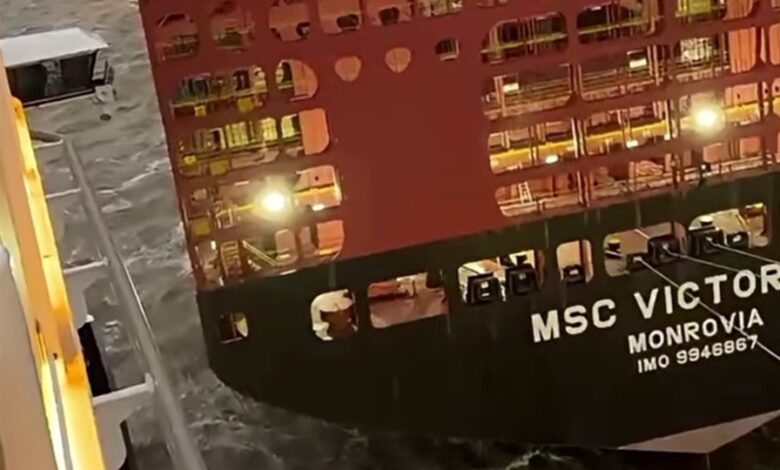
The Office of the United States Trade Representative has proposed a two-month extension of a suspension of port fees on vessels linked to China, a move that would delay the imposition of higher shipping costs on US metals and coal exporters, sources indicated on 26 October 2026.
The proposal and where it was published
The proposed extension was set out in a Federal Register public inspection document posted late last week, which reports summarised. The notice would push the current suspension forward by roughly two months, carrying it through to January, and leaves intact the temporary relief that has eased costs for some US commodity exporters.
Who stands to benefit
The extension, if adopted, would continue to shield shipments of American metals and coal from an immediate rise in port-related charges tied to vessels and logistics providers connected to China. Exporters of those commodities have faced increased transport expenses in recent months; the USTR measure has so far delayed the application of a fee intended to target certain maritime, logistics and shipping activities linked to China.
Background to the action is limited in the published note, but the Federal Register entry confirms that the USTR is seeking to prolong an already existing suspension rather than to introduce a fresh exemption. The public inspection document is the formal step in which the agency announces proposed administrative actions and invites any consequent regulatory process to proceed.
The move comes amid wider trade measures and countermeasures that have been under discussion between the United States and trading partners, where tariffs, fees and restrictions have been used selectively to respond to concerns about strategic sectors. In this instance the fee in question was described in agency materials as targeting China-linked maritime, logistics and shipping sectors, and the extension merely delays its planned application rather than rescinding it.
Next steps identified in the Federal Register notice will determine whether the suspension is extended as proposed; the public inspection document is customarily followed by a formal Federal Register entry and, where relevant, a comment period. The reports summary does not set out a timetable for any comment window or for a final decision by the USTR.
For exporters and logistics operators the practical effect of an extension is immediate certainty in the short term: costs that might have increased when the fee came into force are held at their present level for an additional two months. Companies that ship metals and coal to overseas buyers, and the ports and carriers that handle those cargoes, will therefore have a longer runway to adjust commercial terms and logistics plans should the fee later be applied.
The proposal illustrates how targeted trade measures can be administered incrementally, with agencies choosing suspension, delay or phased implementation as instruments to manage economic and political impact. The USTR action, as reported, is one such example of postponing application to soften disruption for specific exporters while retaining the policy tool on the table.
Published accounts of the notice are concise and draw directly from the Federal Register public inspection posting; they indicate the agency's intention to extend the temporary relief until January without providing further details on any accompanying conditions or on how the agency will assess the suspension's extension beyond that point. Observers and affected businesses will be watching for the formal Federal Register entry and any subsequent announcements from the USTR that provide greater clarity on timing and scope.