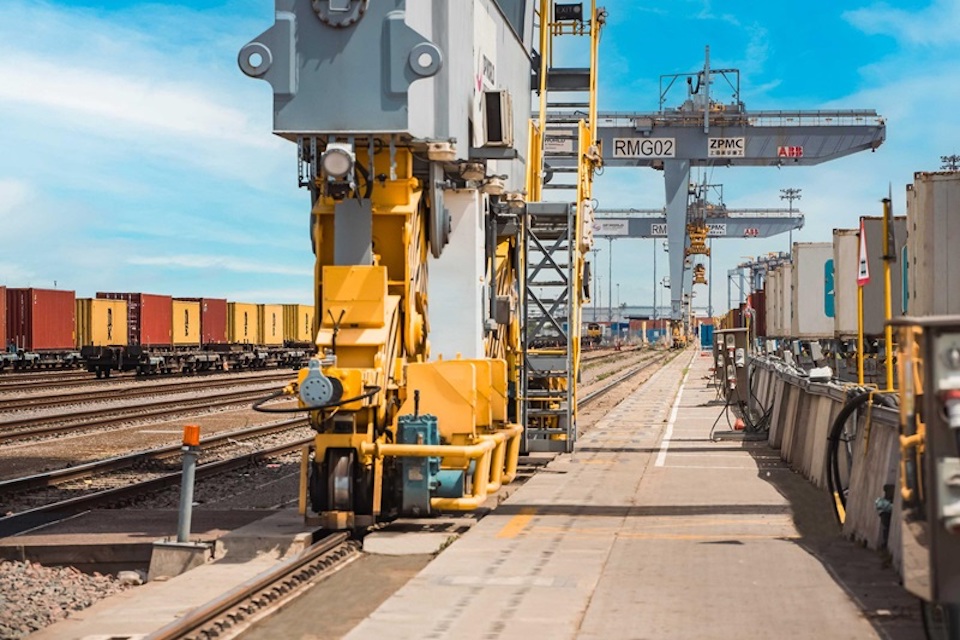
Construction work around the Los Angeles and Long Beach port complex, together with elevated import volumes, is disrupting rail and truck movements and lengthening supply-chain lead times, market participants told ICIS, according to a report published by reports on 30 October 2026.
Those interviewed by ICIS said construction projects in and around the West Coast ports of Los Angeles and Long Beach are constraining the flow of containers to rail ramps and distribution hubs, while higher-than-normal import arrivals are stretching handling capacity at the terminals.
Rail and road freight shipments in and out of the port complex are being affected, market participants said. The combined pressure of works and cargo volumes is producing delays that logistics operators are having to factor into planning.
One market participant told ICIS they are planning for two additional days of lead time for product, reflecting the expectation that shipments routed through the complex will take longer to reach inland customers.
The report did not supply further operational metrics but the accounts from traders and logistics operators underline a broader trend of capacity strain at key West Coast gateways. Shippers and receivers are adjusting schedules and inventory positions as a precaution, according to the sources cited.
Construction works and terminal throughput
Construction activity around port approaches and terminal areas was identified as a central cause of the disruption in the accounts reported to ICIS. Maintenance and infrastructure projects can reduce available yard space and slow transfer rates between ship, truck and rail.
Market participants told ICIS that those constraints are interacting with busy import flows, creating bottlenecks that propagate through the distribution chain and affect onward carriage by rail and road.
Import volumes and lead-time adjustments
Strong import volumes arriving at LA/LB were cited as the other principal factor behind the recent delays. When arrivals rise above forecast levels, terminal handling and chassis availability can become limiting factors for onward movement.
As a result, at least one logistics player is building extra lead time into its planning, the report states. That measure reflects an attempt to preserve delivery reliability for customers amid transient congestion.
The accounts relayed to ICIS and summarised by reports highlight the interdependence of port works and cargo flows. Operators across the chain said they are monitoring the situation closely and adjusting operations where possible to mitigate knock-on effects.
Industry participants will be watching how the combined effects of infrastructure works and import peaks evolve in the coming weeks. If delays persist, supply-chain managers and carriers will likely maintain elevated buffer times and continue to adapt routing and scheduling to manage throughput constraints.